Helping today  Helping tommorow
Helping today Helping tommorow
November 4, 2026
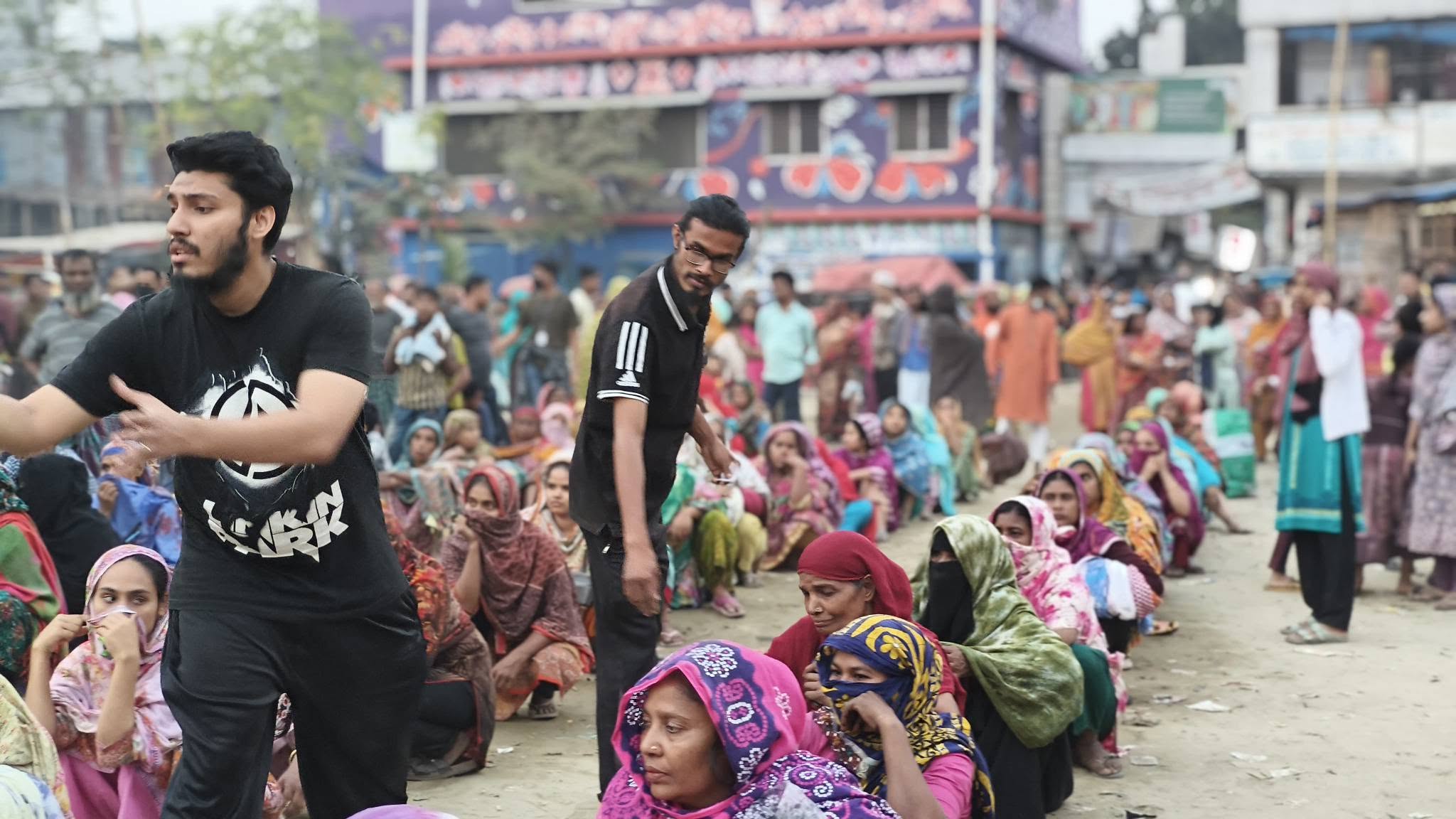
Natural disasters and unexpected emergencies can disrupt vulnerable urban communities overnight, leaving families in devastating uncertainty. As one of the largest informal settlements in Dhaka, the Karail Slum houses approximately 3,00,000 (3 lakh) residents across roughly 60,000 families. With an extreme population density exceeding 87,000 individuals per square kilometre and over 81.6% of households living in single-room dwellings made of highly flammable kutcha materials like bamboo, wood, and tin, the area faces perpetual urban fire hazards. Following the catastrophic fire on 25 November 2025 at the Boubazar area of Karail—which reduced nearly 1,500 structures to ashes and left around 2,664 families homeless under the open sky according to Fire Service and ReliefWeb reports the Youth Prochesta Foundation of Bangladesh mobilized an immediate emergency response.
Building on the grassroots network established through its ongoing Re-Wet Project since 2024, the Foundation deployed trained community volunteers to lead swift search-and-rescue operations and set up emergency medical camps to provide first aid and life-saving medicines. To mitigate immediate starvation and loss of cooking infrastructure, fresh and hygienic cooked meals were served to over 500 displaced individuals, alongside the distribution of relief kits containing dry food, clean drinking water, clothing, and essential survival commodities to hundreds of affected households.
Recognizing the complex needs of post-disaster recovery, the intervention targeted both short-term relief and long-term dignity and economic restoration. Specialized wheelchairs were provided to elderly, injured, and physically challenged individuals to restore independent mobility, while industrial stitching machines were distributed to female-headed households and primary breadwinners to restart lost livelihoods. To prevent learning disruptions, local students received complete educational kits including notebooks and pens. To uphold self-respect during aid delivery, a subsidized “10 Taka Fair” was organized, enabling residents to select needed household goods for a nominal fee. Additionally, child-focused nutritional support—such as baby formula, milk powder, and snacks—was distributed to protect toddlers from acute malnutrition.
Executed under strict Safeguarding, Need-Assessment, and Dignity-First policies, this multi-faceted humanitarian effort directly enhanced key United Nations Sustainable Development Goals, including SDG 1 (No Poverty), SDG 2 (Zero Hunger), SDG 3 (Good Health and Well-being), SDG 4 (Quality Education), SDG 5 (Gender Equality), SDG 6 (Clean Water and Sanitation), SDG 8 (Decent Work and Economic Growth), and SDG 10 (Reduced Inequalities). The response stands as a strong example of how local volunteer leadership and organized community networks under the Re-Wet Project foster rapid emergency preparedness and long-term community resilience in urban informal settlements.
Rescue and Medical Support: Emergency Intervention at Karail Slum
Following the devastating fire in the Boubazar area of Karail Slum on November 20, 2025, Youth Prochesta Foundation mobilized 15 volunteers to provide emergency rescue, first aid, wound dressing, and emotional support to over 300 affected individuals. This initiative reflects the Foundation’s commitment to SDG 3: Good Health and Well-being.
To know details see more: 🔗 Procesta Foundation
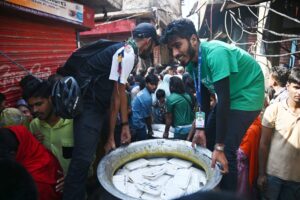
Food Distribution: Ensuring Nutrition Amidst Displacement
To address immediate food insecurity among displaced daily-wage earners who lost their cooking facilities, 30 youth volunteers prepared and distributed fresh, hygienic, and nutritious cooked meals to more than 500 people. This initiative supports SDG 2: Zero Hunger and SDG 1: No Poverty.
To know details see more: 🔗 Procesta Foundation
Relief Distribution: Restoring Basic Livelihood Resilience
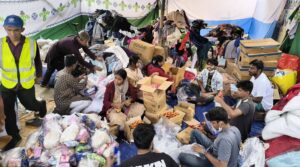
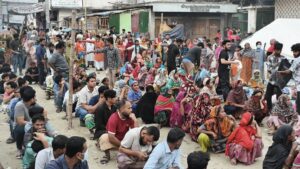
Through the collective efforts of approximately 100 volunteers, board members, and supporters, comprehensive relief packages containing dry food rations, safe drinking water, clothing, and blankets were distributed to nearly 2,000 fire-affected people. This intervention contributes to SDG 1: No Poverty and SDG 6: Clean Water and Sanitation.
To know details see more: 🔗 Procesta Foundation
Wheelchair Distribution: Upholding Inclusion and Mobility Rights
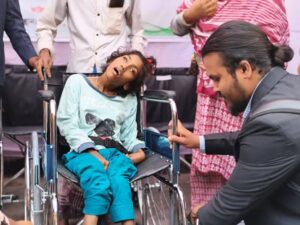
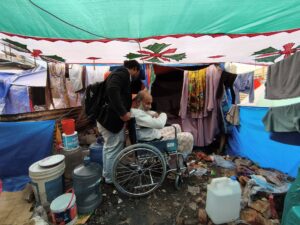
Recognizing the severe mobility challenges faced by vulnerable residents during crises, the Foundation distributed six wheelchairs to individuals aged 9 to 56 who sustained injuries or mobility difficulties due to the disaster. This activity contributes to SDG 10: Reduced Inequalities and SDG 3: Good Health and Well-being.
To know details see more: 🔗 Procesta Foundation
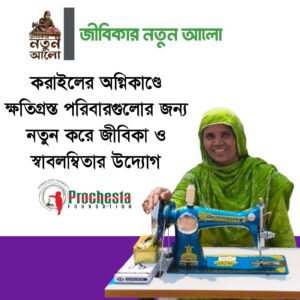
Stitching Machine Distribution: Catalyzing Economic Rehabilitation
To support long-term economic recovery and self-reliance, the Foundation distributed six manual stitching machines to low-income women aged 18 to 45 who lost their tailoring equipment in the fire. This intervention supports SDG 5: Gender Equality and SDG 8: Decent Work and Economic Growth.
To know details see more: 🔗 Procesta Foundation
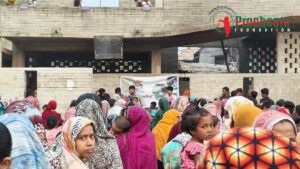
Educational Equipment Support: Safeguarding Children’s Future
To prevent educational dropouts and ensure learning continuity, the Foundation provided essential learning supplies—including notebooks, pens, and school kits—to children affected by the disaster. This activity contributes directly to SDG 4: Quality Education.
To know details see more: 🔗 Procesta Foundation
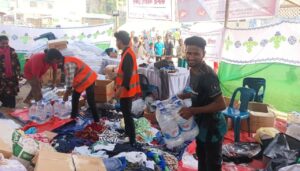
Child Food Support: Combating Post-Disaster Malnutrition
To protect vulnerable infants and toddlers from post-disaster malnutrition, the Foundation distributed specialized child food, baby formula, milk powder, and biscuits to approximately 2,000 children and babies. This intervention supports SDG 2: Zero Hunger and SDG 3: Good Health and Well-being.
To know details see more: 🔗 Procesta Foundation
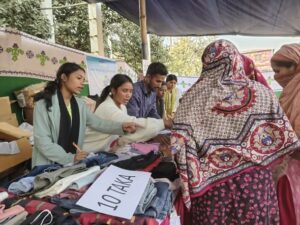
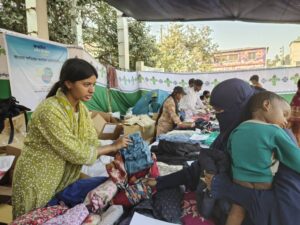
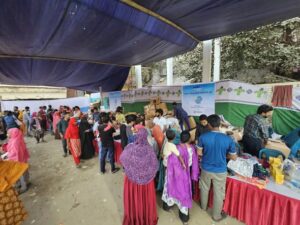
10 Taka Fair: Preserving Human Dignity in Aid Delivery
Upholding human dignity over traditional charity, the Foundation organized a subsidized “10 Taka Fair” that enabled hundreds of residents to purchase essential household goods and clothing for a nominal token price of BDT 10. This initiative contributes to SDG 1: No Poverty and SDG 10: Reduced Inequalities.
To know details see more: 🔗 Procesta Foundation