Helping tommorow
ReWET: Restoring Urban Wetlands, Empowering Communities, and Building Climate Resilience in Dhaka
-
by
Prochesta Foundation
- No Comments on ReWET: Restoring Urban Wetlands, Empowering Communities, and Building Climate Resilience in Dhaka
ReWET (Regenerative Wetlands) is an international research-to-action initiative dedicated to restoring urban wetlands through community-led, nature-based solutions. The project aims to strengthen climate resilience, improve biodiversity, enhance water quality, and create sustainable livelihoods by placing local communities at the centre of wetland stewardship. 0
The ReWET consortium brings together leading international universities, research institutions, local grassroots organizations, and youth-led initiatives, including the University of Sheffield (UK), Sheffield Hallam University (UK), Smith College (USA), River and Delta Research Centre (RDRC), Nogor Abad, and YouthNet Global. Supported by UK International Development through the REDAA programme and managed by IIED, the consortium combines research, innovation, and community action to develop scalable models for restoring urban wetlands. 1
As a local implementation partner, Youth Prochesta Foundation of Bangladesh works closely with communities to translate research into practical action. Through volunteer engagement, environmental education, agroecological restoration, and community mobilisation, the Foundation supports local residents in becoming long-term stewards of wetlands and surrounding ecosystems.
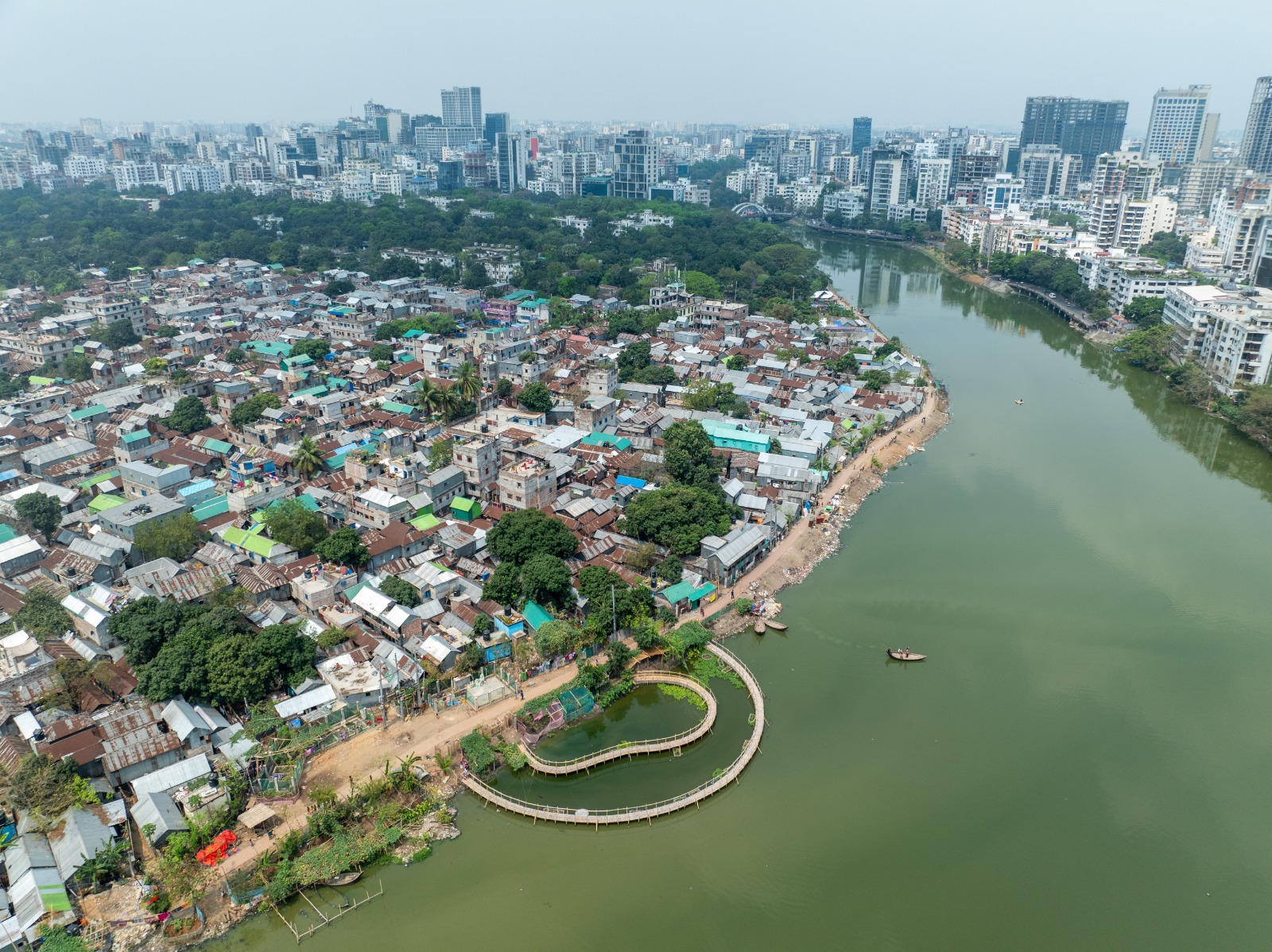
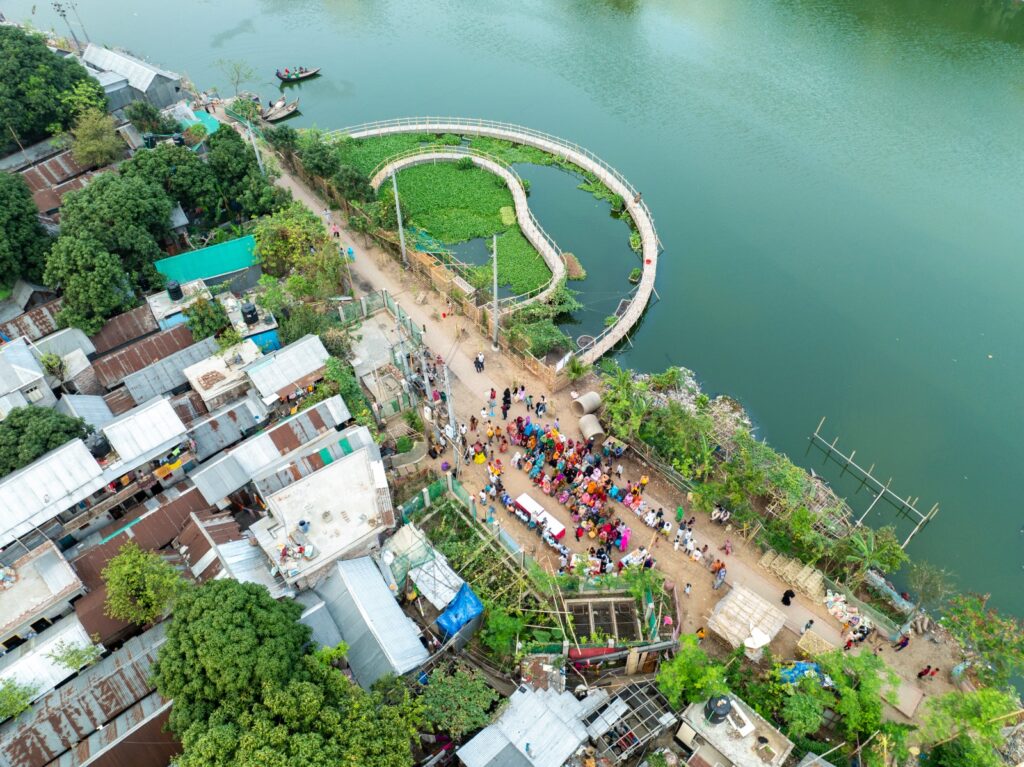
One of ReWET’s flagship demonstration sites has been established in Korail, where communities, researchers, urban farmers, and partner organizations work together to test innovative agroecological tools, floating agriculture, biodiversity restoration, waste management, and climate adaptation practices. The project also developed the Agro-ecological Toolkit Package (ATP), enabling communities to apply practical, locally appropriate restoration techniques. 2
The knowledge, experience, and community stewardship model developed through ReWET in Korail have directly inspired Youth Prochesta Foundation’s Jheel Krishi initiative at Hatirjheel. Building on these lessons, Jheel Krishi is piloting a one-kilometre community-led conservation model where urban agriculture supports the long-term maintenance and protection of Hatirjheel Lake while strengthening food security, biodiversity, and climate resilience. 3
Beyond ecological restoration, ReWET serves as a platform for research, policy dialogue, innovation, and knowledge exchange, connecting communities, universities, government agencies, and development partners to co-create practical solutions for sustainable urban development. Our long-term vision is to replicate this community-led wetland stewardship model across Bangladesh’s lakes, canals, rivers, and wetlands, enabling local communities to become the primary guardians of their natural ecosystems. 4